Modern club culture is dismantling geographic borders, driven by an unstoppable wave known as the global bass movement. Far removed from the rigid regional formulas of traditional house or techno, this borderless sound fuses heavy UK bass, dancehall, dembow, gqom, and baile funk into a relentless, high-energy sonic hybrid.
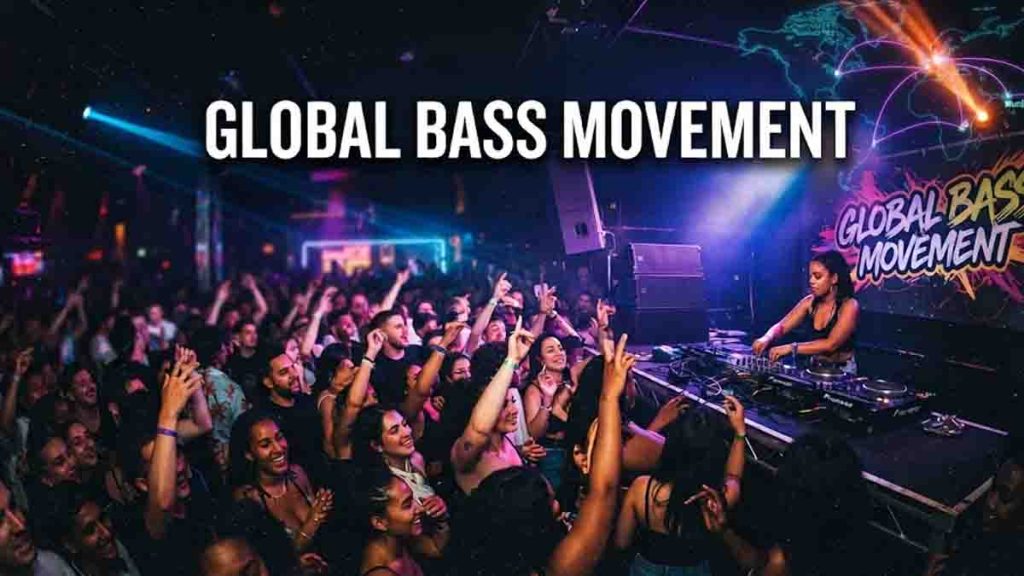
From underground warehouses in London and sound systems in Kingston to late-night dancefloors in São Paulo and Tokyo, global bass has become the definitive pulse of contemporary international youth culture.
This movement thrives on cross-pollination. Producers no longer look solely to traditional western electronic music hubs for validation; instead, localized rhythms are being remixed, sped up, and weaponized for peak-time club utility worldwide.
Digital distribution platforms and decentralized music collectives have bypassed gatekeepers, allowing underground tracks from marginalized communities to ignite international dancefloors within days. The appeal lies in its raw, percussion-heavy urgency—it rejects sterile electronic production in favor of earthy sub-bass and culturally rich, hybrid aesthetics.
Ultimately, the global bass movement is more than just a musical subgenre; it is a borderless network of shared resistance and celebration. By bridging the gap between the Global South and the industrialized West, it has permanently expanded the sonic palate of global nightlife, proving that the most exciting music is born when different worlds collide on the dancefloor.